The farmed landscape blurred as we sped down the highway, our thoughts never lingering on the fact that we are colonizers traveling to Osage, Miami, and Očeti Šakówiŋ (Sioux) territories about to move into a house that sits on land that is not ours.

Welcome to Terra Incognita Media where we deliver nuanced feminist analysis about issues surrounding race, class, and gender in response to the outdoor industry.
The farmed landscape blurred as we sped down the highway, our thoughts never lingering on the fact that we are colonizers traveling to Osage, Miami, and Očeti Šakówiŋ (Sioux) territories about to move into a house that sits on land that is not ours.
Christian Beckwith and I confront similar internal issues, aside from his position of power as a cis male. As a white woman I am constantly questioning why I enter into the work, spaces, conversations, that I engage in. Where do I need to check myself? How can I check myself in order to prevent harm? I ask myself questions that I wish Christian Beckwith would ask himself: How can I stop myself from acting on my superiority complex? How can I stop myself from needing to be included in everything, or how can I heal my need to share my opinion on everything? Is this my whiteness taking over, or do I genuinely have something to contribute of actual value? Will this add to what is happening, or am I doing this/saying this for myself just to center myself?”
It is impossible to stay “neutral” when harm has occurred and survivors come forward with their stories. When someone claims to be “neutral” they are choosing complicity. To stay silent and not speak out against that harm is to allow it to continue. As reporters and witnesses, especially if we are white folx, it is necessary to speak out against this violence. To avoid doing so is to avoid holding the perpetrator of the harm, in this case SHIFT and Beckwith, accountable.
The violence experienced at SHIFT is for white people to take action against, and yet, over and over again, it’s BIWOC and Queer BIPOC that are on the frontlines. I want to give immense gratitude and praise to the 17 individuals who came forward to stand up for themselves and to not take shit any longer. Yes, it’s true, any movement we support should have BIWOC at the helm, but in this case, the people harmed were forced to take action when it could have been prevented. It gets to this point because white people don’t listen and believe BIWOC and Queer BIPOC in the FIRST place.
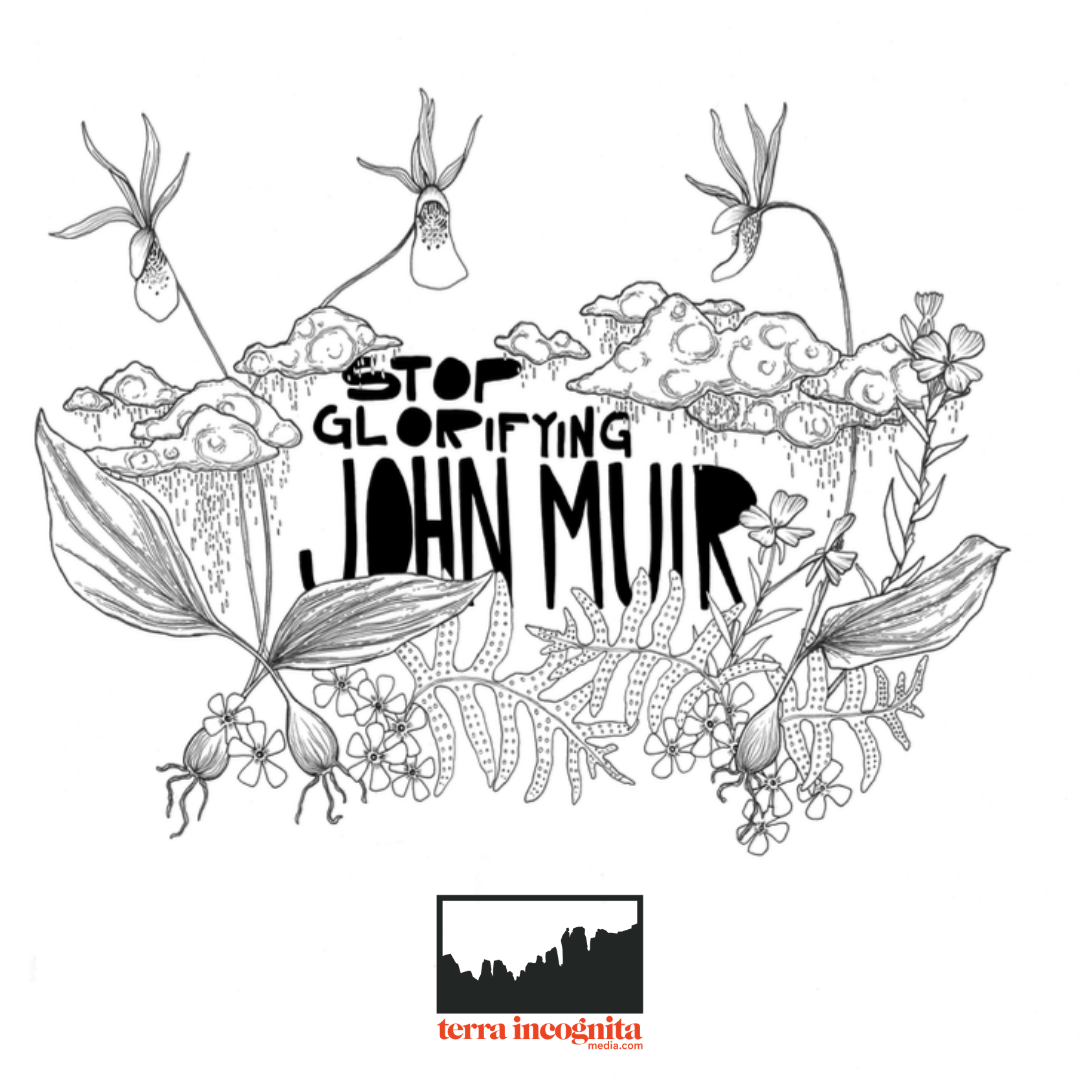
#StopGlorifyingJohnMuir and support Indigenous Women Hike and Terra Incognita Media!
We cannot turn a blind eye. We cannot say there are “two sides to every story.” There are no two sides to racism. Ever. We cannot be silent while our siblings in this industry experience re-trauamatization. We cannot hide behind our white fragility and center our discomfort, while our BIPOC siblings put not only their careers on the line, but their bodies and lives on the line. In honor of co-liberation we all need to demand justice alongside those who have been targeted and most impacted by Christian Beckwith’s violent actions.
White people have always decided what is “natural,” as well as who “naturally” belongs and who doesn’t. John Muir did not do “some powerful work for conservation and parks.” He co-founded the Sierra Club and worked to ensure that Ahwahnee became Yosemite National Park — these structures are tools that maintain power for a few (white people, particularly white men), as well as perpetuate gatekeeping (the practice of limiting and controlling resources). National Parks are active tools in ongoing indigenous genocide.
On the podcast Hoodrat to Headwrap, in the episode called “Diversity and Inclusion is for White People: Beyond Bruno Mars and the Love of Light Skin, Ericka Hart talks about the phenomenon of “chocolate chipping” and how this plays out in white organizations when they say they want to be more diverse and inclusive, and we notice the same trend happening in the outdoor industry. Find out how white dominated organizations can work to be truly inclusive and anti-racist.
Imperialism subject matter can be a bit intimidating for individuals that are new to social justice discourse. Even when I was a Native college student I heard people say this term, but never really understood what it meant. It wasn't until I took a class which featured histories of global conquest that I was exposed to the global lens of Indigenous resistance. One day, after realizing I couldn't really state distinctions between "colonialism" and "imperialism,” I knew I had more learning to do. Since then, the ideal of "military force" is more succinct when exposing ongoing militarized violence against Indigenous peoples. Some contemporary examples of this that people may be more familiar with was the militarized violence at Standing Rock and the Unist'ot'en Camp. In so many ways militarized violence is paired with the United States’ quest for resources to exploit or land to occupy.
There is a lot of shaming, derailing, victim-blaming, and so forth, but at no point in time is there willingness to address one’s own complicity in the very systems that allow for industrial meat and dairy farming. How do our conversations about veganism fail to address systemic oppression and barriers? How do vegans, particularly white vegans, perpetuate anti-indigenous narratives, and what can we do to honor and give credit to pre-colonial indigenous practices that white supremacy has tried to stamp out?
We frequently get asked by fellow white people, particularly those who work in environmental jobs, in the national park service, or public lands, if we can offer them advice, tips, or resources about how to address white supremacy and ongoing colonization. Whether they are leading conservation groups, responsible for teaching natural history, or are in charge of hiring, white people come to us with their concerns about how to address systemic oppression and acknowledge the true history of the land without centering whiteness. Because of how white people are conditioned in a white supremacist nation, racism manifests in our thinking, behavior, and actions.
This isn’t about being “culturally and racially insensitive.” This is about white supremacy and how we white women keep our positions of power and comfort by co-opting the work of Black women, Indigenous women, and women of color.
In a society the polices women’s bodies right down to the food they eat, to hear a cis white man assert so definitively that female-bodied people “shouldn’t” eat eggs made my chill go bankrupt.
Imagining a world that extends beyond normalizing and affirming structures of oppression and injustice means that we are going to need to hold people accountable for not just their actions, but their words. Some “jokes” are not funny.
You can get an ear-full of education by listening to the right podcasts. Here is a brief list of the podcasts that are changing the way we see the world and imagine a more equitable future.
Free Solo is an attempt to complexify the narrative of not just climbing, but particularly free soloing, and not just free soloing, but the nation’s most recognized free soloist. The film indeed added complexity to free soloing and Alex Honnold, but it revealed layers that it probably didn’t intend on exposing. The written accounts coming out about the film divulge a repetitive and classic trope about White men.
Travel is intended to be a place that is safe for people to be themselves and to immerse themselves in diversity of places, people, thoughts, food and more. As a global traveler and a mountain trekker of almost 20 years, I have come to love the diversity that comes along with every moment I’m wandering in some parts of our world. I learned not to just respect but appreciate the differences among people that I come across in my traveling life.
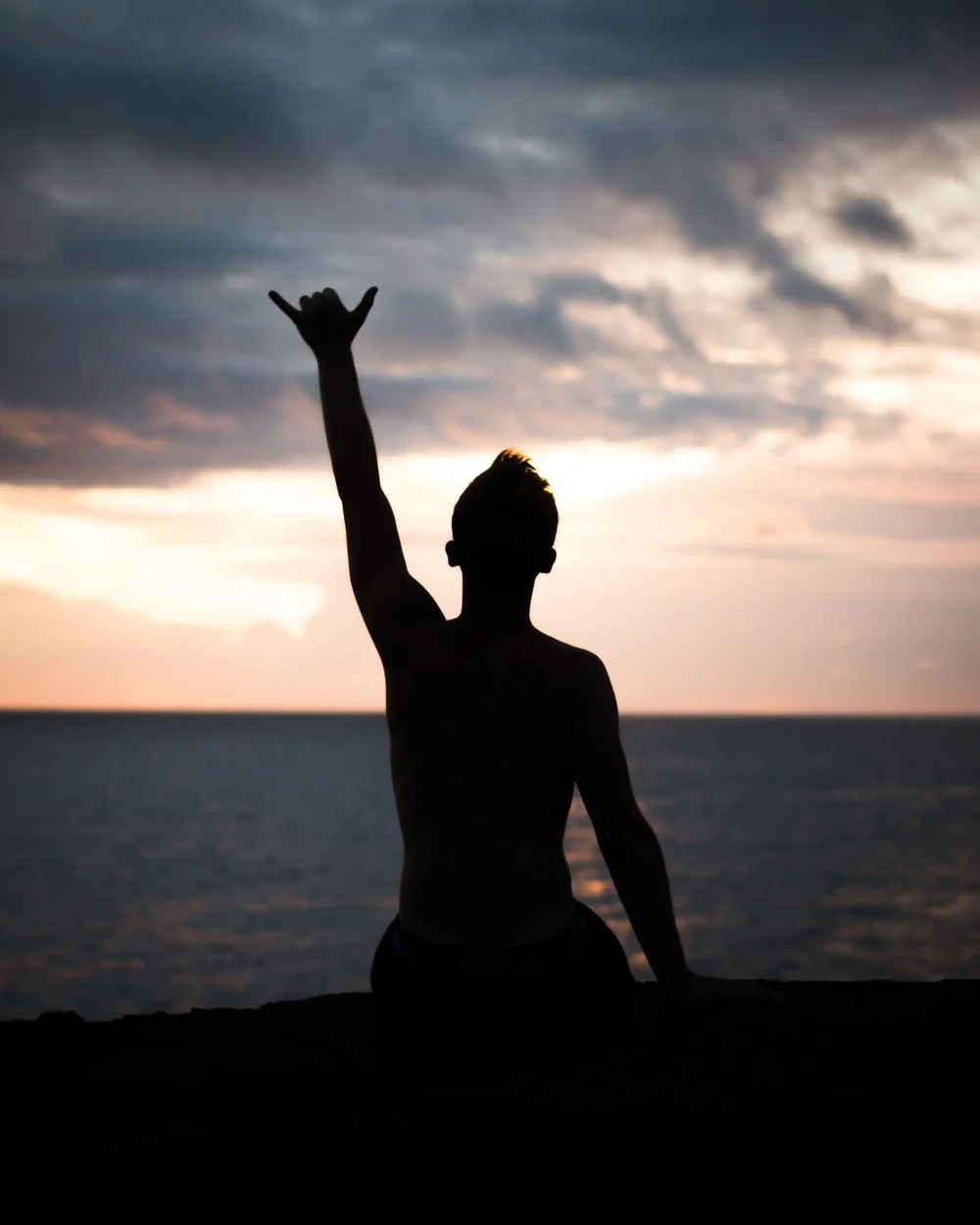
In 2016, associate editor of The Inertia, Dylan Heyden, wrote an article titled, “Is the World Famous Shaka A Form of Cultural Appropriation?” Spoiler: this isn’t even a question.